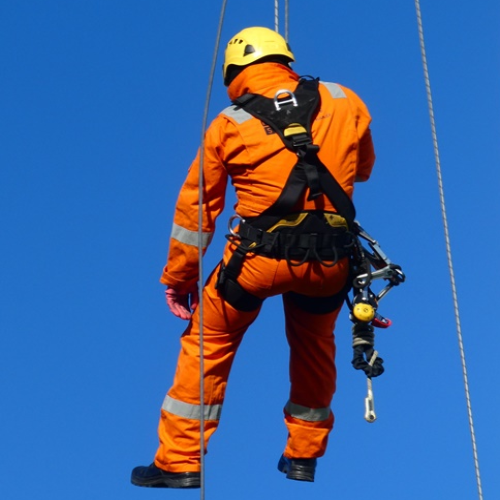
A Focus on Competence
The renewable energy sector, particularly offshore wind, has made significant strides in reducing electricity costs through advancements in technology, finance, and supply chain improvements. However, to maintain safe and sustainable improvements reductions, there must be a greater emphasis on organisational learning and technical/safety competence.
Enhancing Value and Efficiency
To boost value and efficiency in renewable while ensuring safety, there is a need to focus on:
- Technology: Enhancing the design and operational safety of energy systems.
- Operations: Optimising the effectiveness of key support functions.
- Sourcing: Elevating supply chain quality via competence and capability checks.
- Governance: Enforcing robust risk management and oversight mechanisms.
- Workforce: Implementing risk-informed learning and development strategies.
The Importance of Competence
While all the above areas are important, enhancing skills and competence is critical for the wind/renewables sector. Training and qualifications are foundational, but competence development requires a broader approach. Various learning models emphasise that competence comes from diverse sources, including on-the-job experience, developmental relationships, and formal training.
Key Areas for Improvement
Several areas offer significant opportunities for enhancing safety standards and sector capabilities:
- Baseline Training: Industry training standards provide a good starting point, but companies must build on this to ensure employees and contractors meet defined competence standards. Outsourcing increases the risk of essential safety competencies falling through the cracks, necessitating suitable task/role-specific induction and training, regular briefings, and refresher training.
- Safety Critical Roles: Beyond obvious high-risk roles, companies should identify potentially safety-critical positions and develop risk-based plans to address competence gaps.
- Soft Skills: In addition to technical skills, soft skills like communication, decision-making, teamwork, and personal safety are crucial for enhancing safety and protecting individuals and colleagues.
The Wind Turbine Safety Rules (WTSR) and the emerging Wind Turbine System Safety Rules (WTSSR) are great examples of how these elements all need to come together.
Training Tips and Best Practices
To ensure effective training and competence development, employers and individuals should:
- Treat training as an investment, not a cost.
- Adopt a risk-based approach to training selection and frequency.
- Incorporate hands-on practical training and new technologies like virtual reality.
- Make training relevant, engaging, and up to date.
- Carefully select trainers and actively involve workers in training design and delivery.
- Measure training outputs and knowledge retention, and address skill fade with regular refresher training.
- Emphasise the health and safety benefits of training for both the company and the individual.
The Path Forward
The wind sector has made commendable progress, but to continue growing, prioritise value, and improve safety performance, a collective investment in developing a competent workforce is essential. This will foster “learning organisations” that excel in performance.
Find Out More
At Renewable Safety, we provide tailored training programs designed to equip businesses with the knowledge and skills required to navigate the energy transition safely and effectively. To find out more visit our website. If you would like to read our full article on energy transition send an email and we will be happy to forward, you a copy.